When I moved from New York City to North Carolina in 1990, I did not know much about the South. I was 15 years old when I went to the March on Washington in 1963, but I have to admit that I did not understand the depth of the impact of slavery and segregation on individuals and communities.
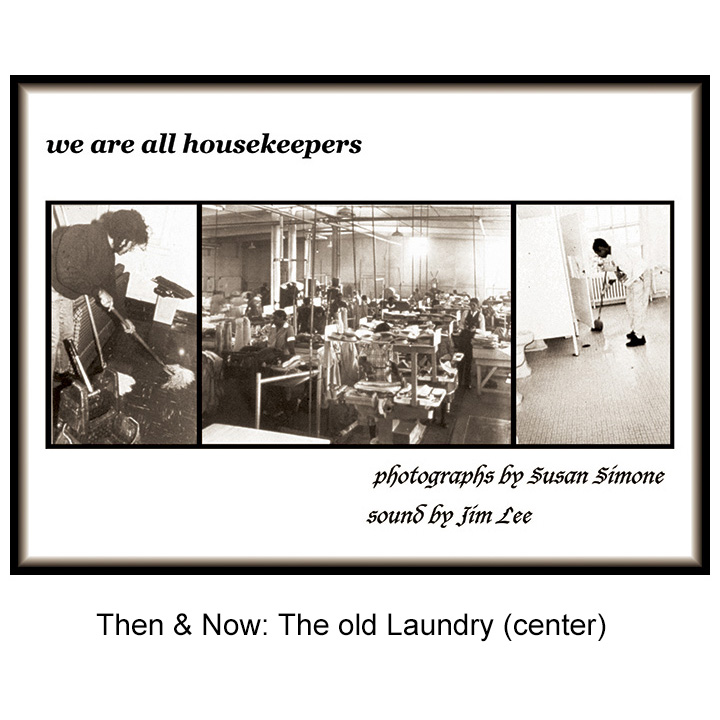
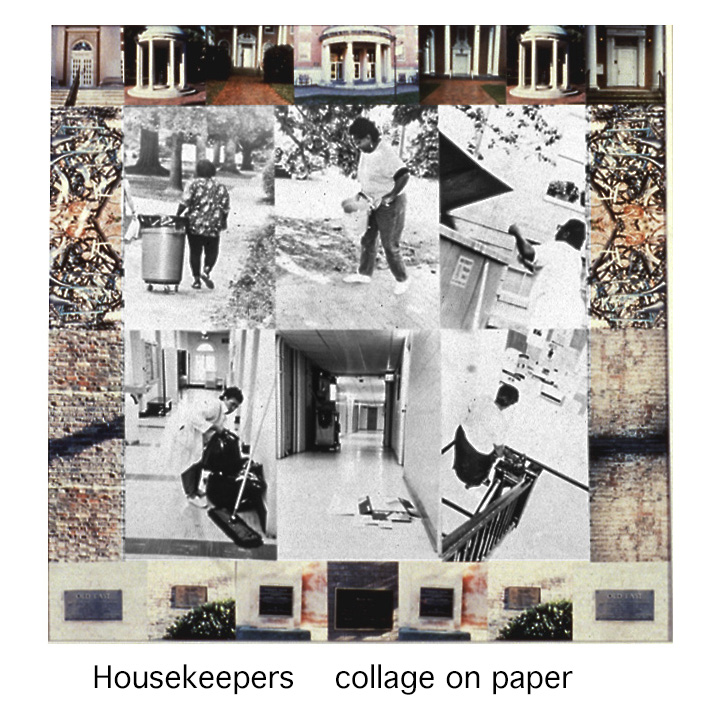
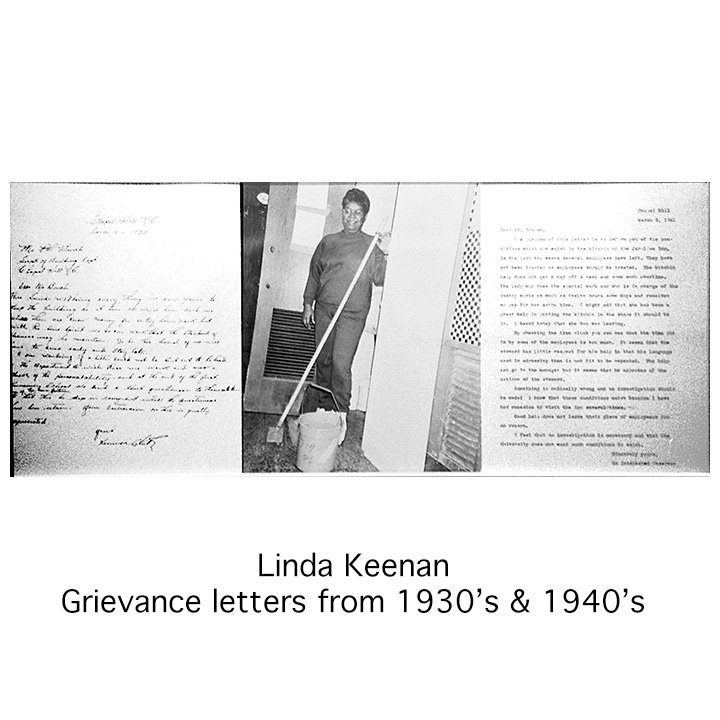
I was standing around at the end of a march on MLK Day in Chapel Hill and a friend said, “Somebody should be recording this history. Why don’t you do a video?” I explained that video was not my medium, but maybe I could take some photos. That maybe led me into a multi-year oral history and photography project, “we are all housekeepers”.
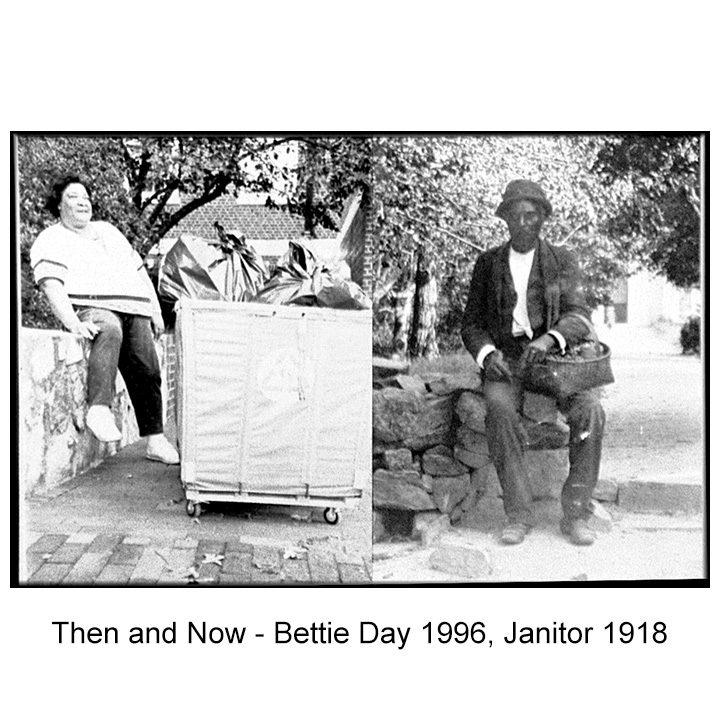
I soon found myself immersed me in the history of racial division that had shaped this seemingly idyllic college town. Jim Lee, a professor at UNC, teamed up with me to create an audio track to accompany the photos. Jim had been around decades earlier when the cafeteria workers walked out. The legal case also involved precedents from Black struggles in the 30’s and the oddities of history. Black slaves had built many of the buildings on campus – named for “heroes” of the Confederacy – and the ubiquitous stone walls along the campus grounds.
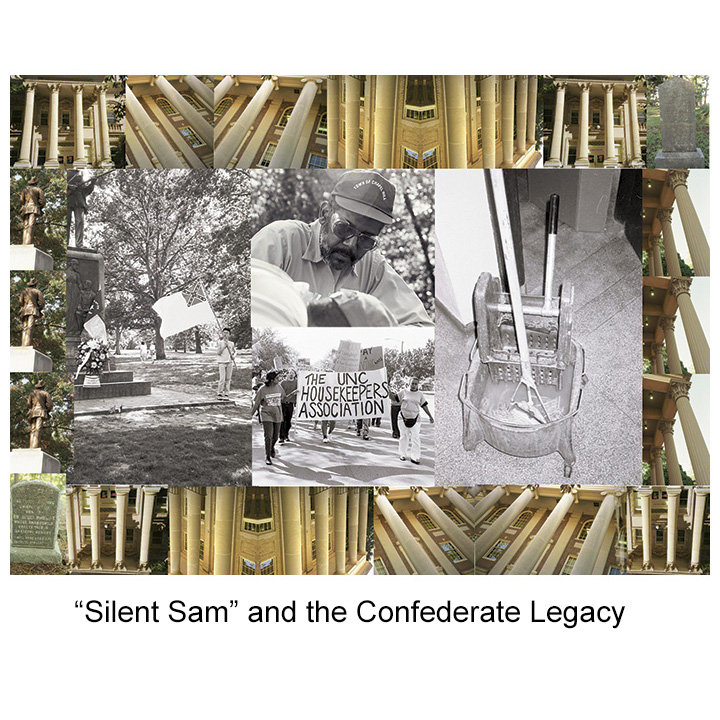
The image “Silent Sam and the Confederate Legacy”, includes a 20th century statue (upper left) of a confederate soldier facing north from the campus, donated by the Daughters of the Confederacy and named “Silent Sam” for his role in suppressing the fight for racial equity. The statue was torn down by demonstrators in 2018, but, walking across campus, I stumbled on a young boy next to the statue with his Dad holding a Confederate Flag, celebrating Confederate Memorial Day. I was still working in the darkroom and knew nothing about that “new” thing Photoshop, but the director of the UNC photo archive insisted that I show him my negative to prove that I had not faked the image.
Yes, this is early work that does not transfer easily for digital display.